
Emotional Eating Dietitian Melbourne
HAES & Intuitive Eating Support for Emotional Eating, Comfort Eating & Stress Eating | Melbourne & Online
Breaking free from emotional eating isn't about never let emotion affects you or never finding comfort in food again. Finding peace with emotional eating is about healing relationship with food and develop a fuller toolkit for coping with life's challenge.
If you are reading this
The chances are...
You feel trapped in a pattern of turning to food when stressed, sad, bored, or overwhelmed - an then feeling guilty afterwards. You might have tried willpower, distraction techniques, or cutting out certain foods, only to find yourself back in the same cycle
You deserve support that doesn't shame you for seeking comfort in food, but help you understand what's going on and builds genuine, lasting changes
But first of all...
What is Emotional Eating?
Emotional Eating
Emotional eating involves using food as the primary method to cope with feelings rather than physical hunger. It can be a distinct eating concern or show up as emotion-triggered binge eating.
It might look like:
Reaching for food when stressed, anxious, bored, lonely, or upset - even when you're not physically hungry
Eating to numb, distract from, or soothe difficult emotions
Feeling out of control around food during emotional moments
Experiencing guilt, shame, or regret after eating emotionally
Finding food provides temporary relief but doesn't really resolve the underlying feeling.
Recovery is possible with the right support from trained specialists
Or is it Binge Eating?
Emotional eating is different from binge eating or BED, but the "emotional eating" pattern often overlaps, as emotions are the most common binge eating trigger.
What's different:
Emotional eating often occurs during emotionally stressful time, when your emotion improve, emotional pattern will resolve, whereas binge eating might improve when emotions are more stable, but the pattern persists
Binge eating may be emotionally triggered, but it has a feeling of "can't stop eating" while emotional eating feel able to stop if you want
Binge eating also feature a heightened preoccupation and sensitivity of food (e.g. always think about food, and feel
Signs, Symptoms & Implications
Physical
• Change in weight
• Fatigue and low energy
• Feeling bloated or constipated
• Metabolic stress from the weight fluctuation due to repeated binge-restrict cycles
• Hormonal disruptions – irregular or missed periods, PMS, PCOS, and fertility issues
• Sleep disturbances
Psychological
• Guilt, shame, and self-criticism
• Low self-esteem and body image distress, often driven by internalised diet culture
• Heightened sensitivity to comment about body, food and exercise
• Anxiety, depression, and emotional numbness
• Always think about food, diet, weight loss and meal plans
• Perfectionism and pressure to be "in control"
Behavioural
• Compulsive or emotional and over-eating patterns
• Dieting behaviours e.g. counting calories, skipping meals, fasting or food avoidance
• Rigid food rules or rituals, needing to eat in a certain way to feel safe or “in control”
• Obsessive thoughts about food, weight, and body
• Frequent body checking, mirror-checking, weighing, or comparing to others
• Or body avoidance - wear baggy clothes, avoid mirror, camera or weighing self
Social
• Eating in secret due to shame or fear of judgment
• Withdrawing socially or avoiding events that involve food or body exposure
• Strained relationships, from secrecy, mood swings, or loss of emotional connection
• Reduced intimacy and connection from food pre-occupation or body image distress
Nutrition Support For Emotional Eating
No more emotional eating shame. No more starting over on Monday. Heal with an inclusive, non-diet, trauma-informed & food freedom approach

nutrition Safety
Build safety with food & reset your body's response and stabilise your meals, create predictable nourishment, and calming the chaos that fuels binge urges

Am I Really Hungry?
Unpack the root, emotional triggers, unmet needs and the function of bingeing. So we can break the chain reaction, so cravings lose their power

Relationship w/ food
Reconnect with hunger & fullness cues, normalise "trigger" foods, rewire food thoughts & behaviours with CBT, ACT strategies and rebuild respect for your body

Self-care capacity
No more short-term fixes. You'll walk away with tools to break the binge cycle for good - not relying on willpower or white-knuckling through cravings
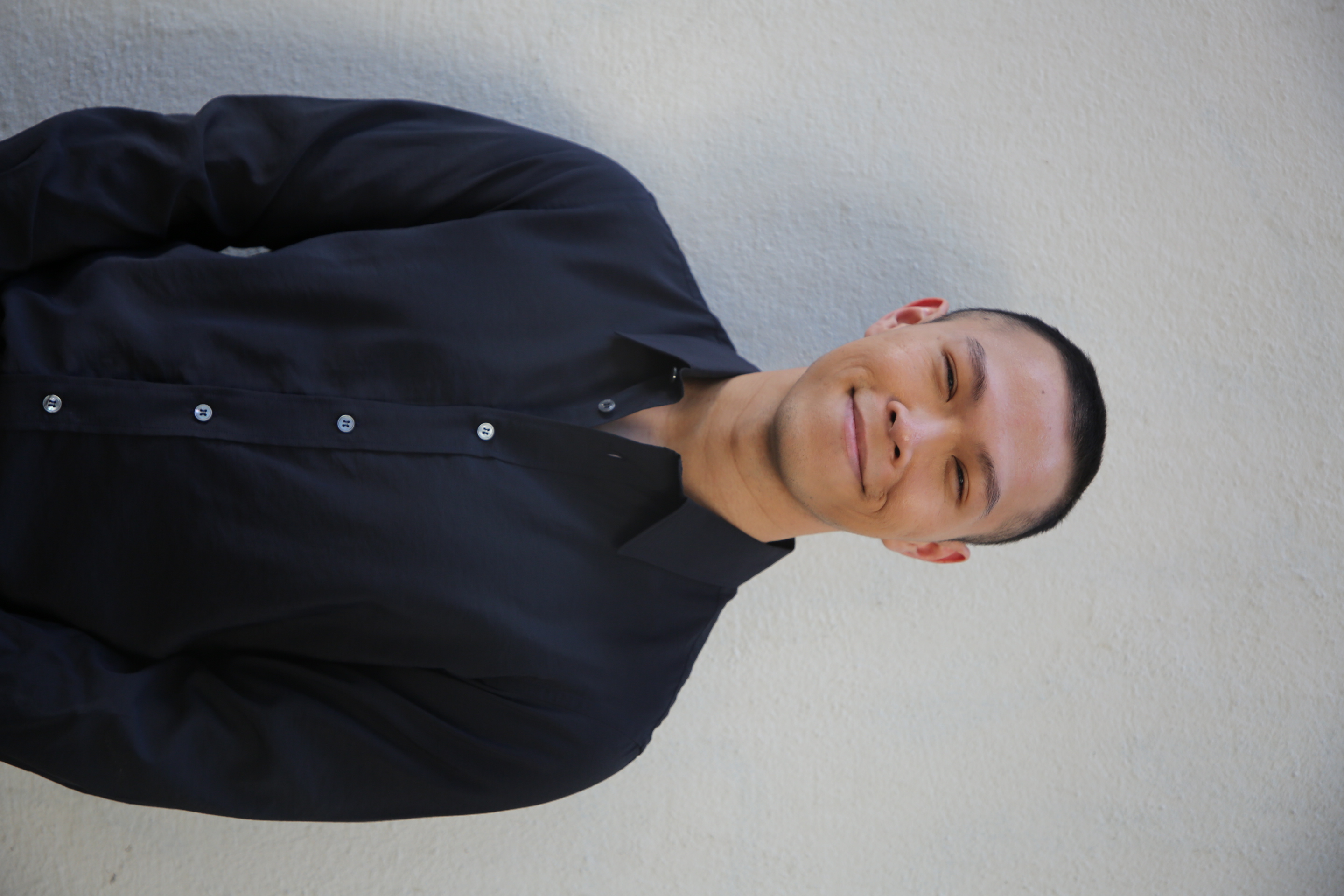
Hey, I'm Malcolm!
I know how it's like to be stuck in a cycle of food thoughts - checked out around food - food guilt & self-blame, because I too lived with it for more than 18 years.
I tried everything - diet, meal plan, shakes, bars, eating healthy. But not until my training did I realise: it's not just what and how to eat - solely focusing on that often leads down the det path, which is the exact thing keeping you stuck.
It's our relationship with food - how food makes us feel, think, act and evaluate ourselves.
I thought knowing that was the way out. The truth? It was just the beginning. Even as a dietitian, I took 5 years to learn the way out. But it was all worth it - it's more expensive to watch years slip by - energy drained, relationship strained, dreams delayed because food and body took up too much mental space.
Now as a specialist binge eating dietitian, intuitive eating counsellor and body image coach, who has helped 100+ people, I want to help you go to the root of your struggle and start healing, so you don't lose another year on this. You get your life back whilst healing - not after.

Kind Words From Clients
Healing Emotional Eating With A Dietitian Looks Like
This structure outlines an overarching framework, the structure and length of each phase varies depends on your own unique situations.
Stabilise
GOAL
Eliminate physiological vulnerability that amplifies emotions
Build a foundational nutrition plan that support emotion & food healing
Stabilise any co-exisitng chronic conditions
FOCUS, SKILLS, STRATEGIES
Nutrition assessment + preventative nourishment plan to ensure we only work on emotions in the later stages
Adequate nutrition to address factors impacting emotion & mental state
(e.g. nutrition for hormone & neurotransmitter production, systemic inflammation, blood sugar, support gut-brain axis & immune system)Develop grounding techniques to delay using food to cope
Address food, eating, body, weight & metabolism related concerns
Manage any chronic conditions
Experiment
GOALS
Break down food fears (food is the problem)
Expand distress tolerance & emotion regualations skills to decouple emotion and food
Reconnect to body hunger-fullness for food need check-ins
FOCUS, SKILLS, STRATEGIES
Reconnect and honour hunger-fullness cues
Strip the power of "comfort foods"
Build skills for distress tolerance
Build skills to identify and toolkit to respond to different emotions
Behavioural strategies to tackle disordered eating behaviours
(e.g. always finishing food, habitual eating, mindless eating, reward-based eating, stress eating, boredom eating, etc.)
Freedom
GOALS
Achieve healthy relationship with food, body, nutrition and movement
Reach own definition of recovery and long term food freedom
Reduce relapse risk and build skills for when setbacks kick in
FOCUS, SKILLS, STRATEGIES
Build flexible & spontaneous eating for health and food freedom
Deepen emotional resilience with self-compassion and distress tolerance
Normalising occasional emotional eating
Cultivate body respect and healthy lifestyle
Flexibily managing any chronic conditions
Ready for a shift?
Emotional Eating Rewired
Rewire your emotional eating pattern and learn to respond with action that actually work
Ready to Heal?
Nutrition Counselling
1:1 sessions, tailored to where you are. Nutrition support to find food freedom and build emotion resilience.
Why Work With A Emotional Eating dietitian?
Emotional eating isn't solved by willpower or eating healthier - it requires understanding your causes, pattern & learn new skills
Generic advice like "just don't eat when you're not hungry" or "just eat healthy food" oversimplifies what's actually a complex behaviour. Working with a dietitian who specialises in emotional eating menas you get...
Understanding of Why Emotional Eating Happens
Emotional eating develops for good reasons: food is accessible, immediately soothing, and it works (at least temporarily). Rather than judging the behaviour, we explore what it's doing for you, why it's become your go-to strategy, and how restriction or deprivation might be intensifying the pattern.
Specialise in Healing Relationship With Food & Recovery Nutrition
Part of addressing emotional eating is healing your relationship with food, and eating regularly - emotional eating intensifies because physical and emotional hunger become tangled. I help you establish consistent eating patterns and remove moral judgement around food.
Practical Strategies for Urges, Emotions, & Food Beliefs
You'll learn tangible skills: recognising the difference between physical and emotional hunger, sitting with feelings, developing coping strategies that actually work for your life, and challenging the guilt-shame cycle. It's about actionable support tailored to your life and what you actually need.
Start Healing the Roots, Not Just "Fix the Symptoms"
We don't just focus on stopping the behaviour—we explore what emotional needs aren't being met, and why food became the solution. By addressing what's underneath (unprocessed emotions, lack of other coping tools, past experiences), we create lasting change rather than temporary suppression.
Body-Affirming Approach with Trauma-Informed, Shame-Free Zone
My work is grounded in Health At Every Size principles. We don't focus on weight loss of changing your body - as it can promote body image distress and further disregulated eating pattern after. Instead we focus on healing your relationship with food and honouring your body's needs
Dive Deeper Into Binge Eating & BED
What is binge eating & binge eating disorder (BED)? Causes, symptoms & diagnosis
Binge eating (disorder) treatment, and finding a provider
food freedom & binge eating resources & support
Common Questions & Concerns I Hear
Will you put me on a meal plan?
No, meal plan has its place, however, it's usually not useful for emotional eating.
Meal plan may recreate the rigidity and external control that often fuel rigidity and distress.
We will mostly focus on internal guidance - helping you recognise and respond to your body's hunger, fullness and emotional needs.
If you're currently very disconnected from these signals, we will use strategies, which may include structured meal time, to recover your internal cues.
What if I don't know whay I'm feeling when I emotionally eat?
That's really common, especially if you've been using food to cope for a long time. Part of our work together is building emotional awareness—learning to identify and name what you're feeling, even when it's uncomfortable or unclear. We start where you are, and it's okay if emotions feel fuzzy or overwhelming at first. This is a skill you can develop.
Will you tell me what I can & can't eat?
No. Restricting foods often backfires—it increases their appeal and can intensify emotional eating around those specific foods. Instead, we work on legalising all foods so nothing feels forbidden. Paradoxically, when you allow yourself to eat anything, food loses some of its emotional power. We'll also work on eating regularly and adequately so you're not setting yourself up for emotional eating through deprivation.
Do I also need to work with a therapist?
It depends. Some people find that dietetic support alone is enough—especially if emotional eating is more about patterns, hunger, and food relationships and lack of coping strategies. However, if your emotional eating is rooted from unprocessed trauma (which we will help you access), it's helpful to seek therapy support on top of dietetic support.
If you're already in therapy, dietetic support complements it well. If you're not and I think you'd benefit, I'll let you know and can help connect you with appropriate options.
Do you work with people at higher weight?
Yes. I work with people of all body sizes, and my HAES-aligned approach means I don't pathologise or focus on changing your body size. BED affects people across the weight spectrum, and everyone deserves compassionate, weight-neutral care.
I've tried so many coping strategies and nothing works. What's different from this?
Generic lists of coping strategies (like "take a bath" or "go for a walk") often don't work because they're not tailored to the specific emotional need. We won't just throw random suggestions at you. Instead, we help you build emotional awareness, and what you really trying to achieve with eating emotionally (to distract? sooth? numb?), then we will build skills that address the emotional needs. That's how we can make sure it is sustainable after our work together
What if my emotional eating is tied to past trauma or my childhood?
That's really common. Many people develop emotional eating as a way to cope with difficult experiences, neglect, or trauma—food might have been one of the few sources of comfort or control available. If emotional eating is sourced from early life, the chances are it has taken a toll on your relationship with food. Hence, dietetic support is really helpful.
With that said, while I'm trauma-informed and we can discuss this, deep trauma processing is typically therapy work. I can help you understand the connection and support you in developing new coping skills, and we can collaborate with a therapist if you're working with one (or I can help you find one if needed).
Will I gain weight if I stop restricting
This fear is so understandable, especially given diet culture messaging are everywhere around us.
Here's what I know: restriction and the binge-restrict cycle often lead to weight cycling and preoccupation with food. When you stop restricting and start eating regularly and adequately, your body often stabilises. But I won't lie and promise a specific outcome—bodies are diverse, and weight isn't within our direct control. What is within our control is building a peaceful relationship with food, and that's worth pursuing regardless of what your body does.
How do I know if my emotional eating is 'bad enough' to get help?
If it's causing you distress, taking up mental space, or interfering with your life in any way, it's worth addressing. You don't have to meet criteria for an eating disorder or wait until it's "bad enough." If you're here reading this, you're probably ready for support—and you deserve it, regardless of how severe or mild it feels.
I have another question...
Drop us a message and
we will et back to you asap!





Malcolm Yu Lung Tang
B.Ex.&Nutr.Sci., MNutr.&Diet., APD, CEDC-D, CIEC
Accredited Practising Dietitian
Credentialed Eating Disorder Clinician
Certified Intuitive Eating Counsellor
Online Eating Disorder Nutrition Counselling
BED, Bulimia, Anorexia, Emotional Eating, Intuitive Eating
Cholesterol, Diabetes, PMOS(PCOS), Gut issues, Body Image
Available Online - Australia & International wide
Location: 9 Carlton Street, Prahran, 3181 - WellSpace Psychology
BINGE RECOVERY HUB




I acknowledge the Wurundjeri Woi Wurrung people of the Kulin Nation as the Traditional Custodians of the land on which I live and work. I pay my deep respects to Elders past and present, and extend that respect to all Aboriginal and Torres Strait Islander peoples. I’m committed to providing inclusive, respectful care for all bodies, identities, and backgrounds.
© 2026 Binge Free Dietitian. All Rights Reserved.