
Anorexia Dietitian Melbourne
HAES & Intuitive Eating Support for Anorexia Support | Melbourne & Online
Recover from Anorexia Nervosa (Restrictive & Binge-Purge subtype) with an experienced eating disorder dietitian to find food peace, reconnect to social and quality life.
If you are here
Chances are...
part of you is resistant to working with a dietitian to stop the restriction for a while, and it's really normal and makes so much sense. The noises in your head and the messages in outside world has convinced you this is the only safe way. However, it has taken a toll on your health, wellbeing and quality of life, so you've come to decide to turn it around.
You deserve to eat without fear, rules and anxiety
Anorexia Nervosa Subtypes
Restrictive Subtypes
Characterised by limiting food intakes, through skipping meals, avoiding food groups, limiting amount, and having rules and rituals on what to eat and how to eat to be safe.
Binge-Purge Subtypes
It involves restriction like restrictive subtype, but at the same time, there are binge eating episodes and followed by compensatory behaviours: e.g. self-induced vomiting, laxative/diuretic misuse, use of diet pills/GLP-1s, compulsive high volume exercise, harder food restriction.
This subtype is often misunderstood and missed entirely.
"Atypical" Anorexia Nervosa
"Atypical" often refers to anorexia pattern (restrictive or malnourishment) but not in clinically "underweight" categories. It's often misunderstood as "less severe" or "not sick enough".
However, Anorexia does not have weight definition, it affects people across lifespan and body size and shape. Only <8% of population with an eating disorder is underweight. People struggle same degree of distress and health struggles in anorexia regardless of age and size. In fact, there are more people struggle with "atypical AN" than "typical" AN
Signs, Symptoms & Implications
Physical
• Change in weight
• Fatigue and low energy
• Hair thinning or loss
• Bone mineral density loss
• Hormone disruption including irregular or missing periods
• Heart irregularities
• Gut symptoms, e.g. nausea when eating, reflux, constipation, etc.
Psychological
• Guilt, shame, and self-criticism
• Low self-esteem and body image distress, often driven by internalised diet culture
• Heightened sensitivity to comment about body, food and exercise
• Anxiety, depression, and slowly difficult to feel emotion
• Often have thoughts about food, diet, weight loss and meal plans
• Perfectionism and pressure to be "in control"
Behavioural
• Planning life around food
• Difficulty working or studying
• Rigid food rules or meal rituals
• Hide the restriction in secret
• Frequent body checking, mirror-checking, weighing, or comparing to others
• Or body avoidance - wear baggy clothes, avoid mirror, camera or weighing self
Social
• Avoiding meals with others
• Withdrawing from relationships
• Difficult to be present
• Reduced intimacy and connection from body image distress
Nutrition Therapy For Anorexia Nervosa
Nutrition counselling isn't about being handed a meal plan and get on with it. It is a collaborative and ongoing process with the goal to build safety around food, nutrition and body, so more of your energy, time and mental space can be freed to do what you want to do in life.

nutrition& metabolic rehabilitation
Restriction changes how your body and brain function: brain, hormone, gut, heart. The first step is to gradually and safety restore your metabolism and medical stability with nourishment.

Challenge anorexic thourhgs with food
Anorexia is a like inner voice keep whispering opinion to you and convince you that to be the truth. We challenge food and nutrition thoughts to find your own voice.

restore food and body trust & peace
We live in a culture telling us our body can't be trusted and it needs constant work. We are here to rebuild your capacity to hear your body, learn and respect it.

eating for fun & health intuitively
We explore what it looks like to eat without rules and fears, but use body response and nutrition to inform our food choices with incorporating flexibility in meal and life.
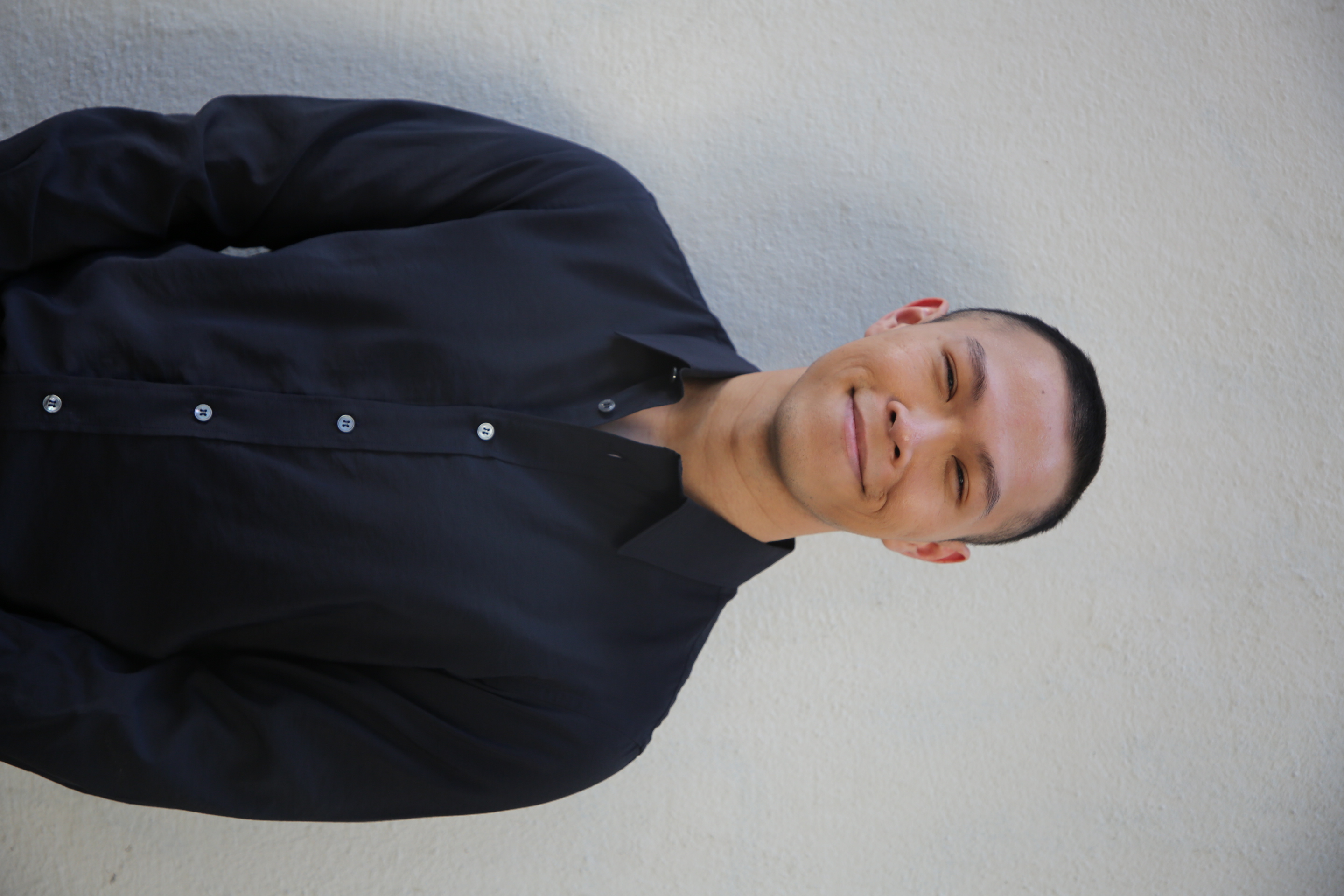
Hey, I'm Malcolm!
I am an accredited practising dietitian, credentialed eating disorder clinician and certified intuitive eating counsellor specialising in eating disorders. I help people heal their relationship with food to find their life and food freedom.
With a history of 18 years and struggling with an eating disorder myself, I've come to learn both your experience and the scientific approach matter. My approach focus on understanding your eating disorder and finding your own voice navigating through the recovery through food.
I endorse the Health at Every Size principle and take a trauma-informed, body-affirming approach. I'd like to work with where're at, and recovery takes you next instead of implementing a set treatment course onto you.

Kind Words From Clients
Eating Disorder Recovery With A Dietitian Looks Like
This structure outlines an overarching framework, the structure and length of each phase varies depends on your own unique situations.
Phase 1: Build Safety
GOALS
Create strong internal motivation to make change
Build predictable and non-negotiable routine nourishment
Re-establish biological safety and stabilise body functions
(e.g. hormone, hunger-fullness, metabolism)Reach medical and physical stability for further therapy work
FOCUSES, SKILLS, STRATEGIES
Set up foundation: understand trigger, functions, set up support system
Establish mechanical eating structure (eating by clock)
Develop coping strategies to cease compensatory behaviours
(e.g. skipping meals, high-volume exercise/movement, purgeing, use of laxatives)Address food, eating, body, weight & metabolism related concerns
Externalising the disordered thoughts and get in touch with your own value
Manage any chronic conditions
Phase 2: Build Trust
GOALS
Cultivate trust on food and break down food fears
Reduce or cease disordered behaviours
(e.g. restriction, compensation, self-loathing, food restriction & avoidance)Build psychological and behavioural flexiblity around food and movement
Distress tolerance and emotional regulation skills to improve quality of life
Increase social engagement to foster interpersonal relationship healing
FOCUSES, SKILLS, STRATEGIES
Notice your body's hunger and fullness signals
Challenge fear foods, rules & eating situations
Neutralise food language
Increase social engagement through gradual exposure
Build skills for distress tolerance and strong emotions
Develop skills to manage any chronic conditions
Phase 3: Build Confidence
GOALS
Achieve healthy relationship with food, body, nutrition and movement
Reach own definition of recovery and long term food freedom
Reduce relapse risk and build skills for when setbacks kick in
FOCUSES, SKILLS, STRATEGIES
Honour hunger & fullness cues and reconnect to your body's senses
Neutralise nutrition and movement messages
Build flexiblity to eat spontaneously in terms of time, type and locations
Cultivate body respect and self-compassion
Setback and relapse prevention and skill buiding
Introduce flexibility in managing any chronic conditions
Ready to Heal?
Nutrition Counselling
1:1 sessions, tailored to where you are. Nutrition support to find food freedom and quiet the ED voice.
Common Questions & Concerns I Hear
Will you put me on a meal plan?
It depends, but it's not a first option in our work together. Meal plans are great for the early stage of recovery, but it's designed to be used for short term to achieve medical stability
The goal of recovery is to move toward eating more flexibly, so whether we start with meal plan or not, we will work towards eating without a meal plan.
Do I have to weigh myself?
Absolutely not. Many of my clients choose not to weigh themselves at all, and I fully support that. If weight is monitored for medical reasons, we can discuss strategies to handle it such as blind-weighing. Your worth isn't determined by a number, and recovery doesn't require tracking it.
Will you tell me what I can & can't eat?
No. All foods fit. Seriously. Part of recovery is learning that no food is off-limits, because restriction (even mental restriction—just thinking you "shouldn't" eat something) is often a ED voice talking. We'll work on legalising all foods, which quiet the ED voice.
I'm not sure I'm sick enough to need help.
You don't. This is one of the most common things I hear , and one of the most heartbreaking, because it means anorexia has convinced you that you have to earn support. You don't need to be at hospitalised, reach underweight, or even have a diagnosis to get help. Earlier support leads to better and faster outcomes.
Do you work with people at higher weight?
Yes. I work with people of all body sizes, and my HAES-aligned approach means I don't pathologise or focus on changing your body size. Anorexia affects people across the weight spectrum, and everyone deserves compassionate, weight-neutral care.
How long does recovery take?
Honestly? It varies. Some people see significant improvement in a few months; for others, it takes a year or more. Recovery isn't just about stopping binge episodes—it's about fundamentally shifting your relationship with food, which takes time. I'd rather be realistic with you than overpromise. What I can say is that most people notice meaningful changes within the first few months, even if full recovery takes longer.
Will I gain weight if I start recovery?
I understand the fear of getting go of restriction will lead to weight gain and body change and it's valid and normal. What we are focusing is your wellbeing: physical, mental and psychological. Weight is a byproduct on the process, and I enourage you to talk about the weight concerns during the journey. If getting well means you need to gain weight, it will be in a gradual process and with a lot of support.
Do I need a referral from my GP?
No, you don't need to. But if you might be eligible for Medicare Eating Disorder Plan (EDP) if you struggle with anorexic patterns, which does require GP or medical practioner setting it up. On the plan, you'll be eligible to have 20 dietitian session rebated per calendar year. But you do not need a referral to work on your health and wellbeing.
I have another question...
Drop us a message and
we will et back to you asap!


Malcolm Yu Lung Tang
B.Ex.&Nutr.Sci., MNutr.&Diet., APD, CEDC-D, CIEC
Accredited Practising Dietitian
Credentialed Eating Disorder Clinician
Certified Intuitive Eating Counsellor
Online Eating Disorder Nutrition Counselling
BED, Bulimia, Anorexia, Emotional Eating, Intuitive Eating
Cholesterol, Diabetes, PMOS(PCOS), Gut issues, Body Image
Available Online - Australia & International wide
Location: 9 Carlton Street, Prahran, 3181 - WellSpace Psychology
BINGE RECOVERY HUB



I acknowledge the Wurundjeri Woi Wurrung people of the Kulin Nation as the Traditional Custodians of the land on which I live and work. I pay my deep respects to Elders past and present, and extend that respect to all Aboriginal and Torres Strait Islander peoples. I’m committed to providing inclusive, respectful care for all bodies, identities, and backgrounds.
© 2026 Binge Free Dietitian. All Rights Reserved.